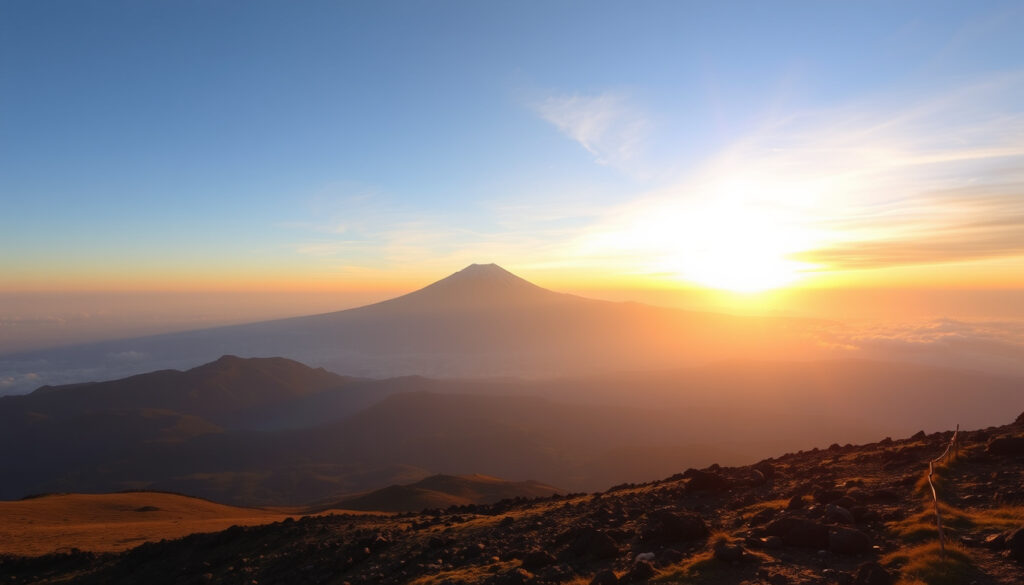
Mount Kilimanjaro: Difficulty, Safety & Beginner Guide
There’s a reason people who’ve never tied a climbing rope still dream of standing on the roof of Africa. Mount Kilimanjaro, the tallest freestanding mountain in the world, doesn’t require technical skills — but it demands something harder: endurance, patience, and respect for altitude. This guide breaks down exactly how difficult the climb really is, how it compares to Everest Base Camp, and whether you — as a beginner — can actually make it to the summit.
Height: 5,895 meters (19,341 feet) above sea level ·
Location: Tanzania, Africa ·
Type: Dormant stratovolcano with three cones: Kibo, Mawenzi, Shira
Quick snapshot
- Kilimanjaro is a non-technical trek — no ropes, crampons, or ice axes needed for standard routes (Authentic Kilimanjaro (trekking operator))
- Altitude is the primary challenge, with summit success rates averaging 65–70% across all routes (Authentic Kilimanjaro (trekking operator))
- Height confirmed at 5,895 m by official surveys (Much Better Adventures (adventure travel guide))
- Exact annual death numbers vary by source and year — estimates range from 3 to 15 deaths per year (Much Better Adventures (adventure travel guide))
- Success rate percentages differ by operator and route calculation method (Authentic Kilimanjaro (trekking operator))
- Long-term volcanic activity status — dormant but not extinct — can be debated (Much Better Adventures (adventure travel guide))
- First recorded ascent in 1889 by Hans Meyer, Ludwig Purtscheller, and Yohani Lauwo
- Choose a longer itinerary (7–9 days) to boost summit success rate to 85%+ (Authentic Kilimanjaro (trekking operator))
- Train for 6–8 hour hikes on hilly terrain before attempting the climb (Authentic Kilimanjaro (trekking operator))
Six key facts shape the story of this mountain.
| Label | Value |
|---|---|
| Height | 5,895 m (19,341 ft) |
| Location | Tanzania |
| Type | Dormant stratovolcano |
| First Ascent | 1889, Meyer, Purtscheller, Lauwo |
| Climb Duration | 5–9 days |
| Annual Climbers | ~35,000 |
How difficult is climbing Mount Kilimanjaro?
Difficulty factors
Kilimanjaro is not a technical climb. Standard trekking routes require no ropes, crampons, or ice axes, according to Authentic Kilimanjaro (trekking operator). The real hurdle is altitude — the mountain rises to 5,895 meters, where oxygen levels are roughly half of sea level. The climb is a long, steady slog on dirt trails and scree, not a vertical ascent.
Altitude and acclimatization
Altitude sickness is the main reason climbers fail. The summit success rate across all routes averages 65–70%, with 30–35% of climbers turning back, mostly due to altitude-related symptoms, reports Authentic Kilimanjaro (trekking operator). Choosing a longer itinerary — 7 to 8 days — can reduce failure rates to roughly 10–15%, because more time allows better acclimatization. The motto on the mountain is pole pole (slowly, slowly).
Time and endurance requirements
Most routes require 5 to 9 days of hiking, with daily stages of 6 to 8 hours on hilly terrain. Before attempting the climb, you should be able to hike those hours without exhaustion, advises Authentic Kilimanjaro (trekking operator). It’s an endurance challenge, not a sprint.
The average fit beginner who trains for endurance and picks a longer itinerary has a strong chance of summitting. The ones who underestimate the altitude or rush the climb are the ones who turn back.
What is harder, Everest or Kilimanjaro?
Technical difficulty comparison
Mount Everest is a technical mountaineering expedition — it requires ropes, crampons, ice axes, and multiple high-altitude camps. Kilimanjaro is a high-altitude trek. The difference is fundamental. As the BBC (global news outlet) reported, Everest has seen over 280 recorded deaths on the mountain, and since 2010 there have been 72 deaths among 7,954 climbs above base camp — a death rate below 1%.
Altitude and summit challenge
Everest’s summit is 8,848 meters, nearly 3,000 meters higher than Kilimanjaro. Climbers on Everest use supplemental oxygen above 8,000 meters (the “death zone”). On Kilimanjaro, supplemental oxygen is not required, and most climbers do not use it. The base camp trek to Everest (5,364 m) is comparable in altitude and duration to Kilimanjaro, but the Everest Base Camp trek itself follows established trails and is similarly non-technical.
Time and cost
A Kilimanjaro climb costs roughly $2,000–$6,000 and takes 5–9 days. An Everest expedition costs $30,000–$100,000 and takes 2–3 months. For the average adventurer, Kilimanjaro is accessible; Everest is a multi-year commitment.
The trade-off: Kilimanjaro gives you a 5,895-meter summit without technical climbing, but the altitude still hits hard. Everest Base Camp trek offers a similar trekking experience with lower altitude gain but longer duration.
Comparing Kilimanjaro to Everest summit difficulty is like comparing a long-distance run to a marathon with rock climbing. The Everest Base Camp trek is the closer analogue — and even that has its own risks, with an estimated 3–15 deaths per year, according to EBC Trek Guide (trekking resource).
Can beginners climb Kilimanjaro?
Fitness prerequisites
Yes, beginners can summit, but they should have baseline cardiovascular fitness. Prior hiking experience is beneficial but not mandatory. The key is being able to hike 6–8 hours on hilly terrain without exhaustion, as recommended by Authentic Kilimanjaro (trekking operator).
Training recommendations
Start training 3–4 months before the climb. Focus on long walks, stair climbing, and hiking with a loaded pack. Include strength training for legs and core, and practice at altitude if possible. The Much Better Adventures (adventure travel guide) emphasizes that being “fit for Kilimanjaro” means being able to sustain effort over many hours, not just run fast.
Success strategies for beginners
Book a longer itinerary — 8 or 9 days — to give your body time to adapt. Choose a route like the Lemosho or Northern Circuit that offers gradual altitude gain. Stay hydrated, eat well, and listen to your guide. According to Authentic Kilimanjaro (trekking operator), climbers on 7–8 day routes have failure rates as low as 10–15%, compared to 30–35% for shorter routes.
The biggest mistake beginners make is treating Kilimanjaro like a walk in the park. The altitude cannot be faked. A 5-day itinerary dramatically increases the chance of altitude sickness and failure. Invest in extra days — they are the single best predictor of success.
How many climbers have died on Kilimanjaro?
Death statistics
Estimates suggest 3 to 10 deaths out of 40,000 to 50,000 visitors annually, which works out to roughly 1 in 4,000 climbers, according to Much Better Adventures (adventure travel guide). That’s a fatality rate of about 0.03% — lower than many other major mountains. For comparison, the Everest Base Camp trek has a similar estimated death rate of 0.03%, per EBC Trek Guide (trekking resource). The BBC’s analysis of Everest shows a death rate below 1% for those climbing above base camp, but that includes the summit push.
Common causes
Altitude-related illness (acute mountain sickness, HAPE, HACE) is the leading cause of death on Kilimanjaro, followed by falls and hypothermia. The Much Better Adventures (adventure travel guide) notes that altitude is commonly cited as the primary cause.
Risk mitigation
Climbing with a licensed guide, choosing a longer itinerary, and knowing the symptoms of altitude sickness drastically reduce risk. The vast majority of deaths occur on unsupervised or poorly organized climbs. The Authentic Kilimanjaro (trekking operator) stresses that proper acclimatization and guide compliance are the best defenses.
Kilimanjaro is statistically safer than most high-altitude treks, but the risk is real and concentrated in avoidable factors. A well-prepared climber with a reputable operator faces a very low chance of serious injury or death.
Do you need oxygen to climb Kilimanjaro?
Supplemental oxygen protocols
No, supplemental oxygen is not required for Kilimanjaro. Unlike Everest, where almost all climbers use bottled oxygen above 8,000 meters, the summit of Kilimanjaro at 5,895 meters is still within the range where most people can acclimatize naturally. The vast majority of climbers do not use oxygen. Some operators carry emergency oxygen, but it is not standard, reports Much Better Adventures (adventure travel guide).
Alternative acclimatization methods
The key to managing altitude without oxygen is gradual ascent. The “climb high, sleep low” strategy is standard: each day you go higher, then descend to a lower camp to sleep. Hydration, electrolyte balance, and avoiding alcohol and sleeping pills are essential. The best advice is pole pole — slow and steady.
Summit night oxygen usage
Summit night is the most demanding part — a 6–8 hour push to the top starting around midnight. Some climbers use portable oxygen canisters for comfort, but most guides discourage it because it can mask symptoms of altitude sickness and create a false sense of security. The Authentic Kilimanjaro (trekking operator) recommends relying on natural acclimatization and proper pacing.
Portable oxygen is available but rarely needed. The real oxygen problem is that climbers who skip acclimatization days and rely on cans often end up worse off — they descend without improving their physiology. The mountain demands respect, not shortcuts.
Three key comparisons help decide between Kilimanjaro and Everest Base Camp.
| Aspect | Kilimanjaro (Summit) | Everest Base Camp Trek | Everest (Summit) |
|---|---|---|---|
| Max altitude | 5,895 m | 5,364 m | 8,848 m |
| Technical difficulty | Non-technical trek | Non-technical trek | Technical climb (ropes, crampons, ice) |
| Supplemental oxygen | Not required | Not required | Required above 8,000 m |
| Duration | 5–9 days | 12–16 days | 2–3 months |
| Estimated death rate | ~0.03% (1 in 4,000) | ~0.03% (estimated) | <1% (above base camp) |
| Cost | $2,000–$6,000 | $1,500–$4,000 | $30,000–$100,000 |
Six specifications that every climber should know.
| Specification | Detail |
|---|---|
| Height | 5,895 m (19,341 ft) |
| Location | Tanzania, East Africa |
| Mountain type | Dormant stratovolcano (three cones: Kibo, Mawenzi, Shira) |
| First recorded ascent | 1889 by Hans Meyer, Ludwig Purtscheller, Yohani Lauwo |
| Climb duration (typical) | 5–9 days |
| Annual climbers | ~35,000 |
| Average summit success rate | 65–70% (varies by route and duration) |
| Estimated annual deaths | 3–15 (approx. 0.03% fatality rate) |
| Primary cause of death | Altitude sickness (AMS, HAPE, HACE) |
| Main routes | Marangu, Machame, Lemosho, Rongai, Northern Circuit, Umbwe |
| Best time to climb | January–March, June–October (dry seasons) |
| Guide requirement | Mandatory (all climbers must be accompanied by a licensed guide) |
Upsides
- Non-technical climb — accessible to most fit people
- No supplemental oxygen required
- Relatively low death rate compared to other high mountains
- Wide range of route options to suit different fitness levels
- Life-changing experience and sense of achievement
Downsides
- Altitude sickness is a real risk and can be serious
- Long, physically demanding days (6–8 hours hiking)
- Success rate not guaranteed — 30–35% fail to summit
- Costs can be significant ($2,000–$6,000)
- Weather can be unpredictable and extreme at summit
Step-by-step guide for beginners
- Start training 3–4 months early. Focus on cardiovascular endurance, long hikes, and stair climbing. Aim to comfortably hike 6–8 hours on hilly terrain.
- Choose a longer itinerary. Pick a route that takes 7–9 days, such as Lemosho or Northern Circuit, to maximize acclimatization.
- Pack smart. Essential gear includes waterproof boots, layers, a sleeping bag rated to -10°C, trekking poles, and a headlamp. Don’t forget a pee bottle — it’s a game-changer on summit night.
- Book with a reputable operator. Ensure they provide licensed guides, proper safety equipment, and emergency oxygen. Check reviews and safety records.
- Acclimatize properly. Follow the pole pole pace, stay hydrated, and avoid alcohol. Listen to your body — if symptoms of altitude sickness appear, communicate with your guide.
- Summit night strategy. Start around midnight, wear layers, use trekking poles, and keep moving. Focus on putting one foot in front of the other. The goal is to reach the summit before sunrise.
Confirmed facts
- Height 5,895 m is accurate from official surveys
- Kilimanjaro is in Tanzania
- It is a dormant volcano
- First ascent in 1889 by Meyer, Purtscheller, and Lauwo
- Non-technical climb — no ropes required
What’s unclear
- Exact number of annual deaths varies by source and year
- Success rate percentages differ by operator and route calculation method
- Long-term volcanic activity status (dormant but not extinct) can be debated
- Some reports suggest deaths may be underreported
“Kilimanjaro is a high-altitude trek, not a technical climb. The main challenge is the altitude — you need to take it slowly, and that means choosing a longer itinerary.”
— Authentic Kilimanjaro (trekking operator)
“Most people who attempt Kilimanjaro do so without any prior mountaineering experience. With proper training and a good guide, a beginner has an excellent chance of success.”
— Much Better Adventures (adventure travel guide)
“The biggest surprise for many climbers is the cold on summit night. It’s not the altitude that stops them — it’s the chill and the exhaustion.”
— Ian Taylor Trekking (personal blog, experienced climber)
For the average fit beginner, the decision is clear: choose a longer itinerary, train properly, and respect the altitude, or risk joining the 30% who don’t make it. The mountain rewards patience and preparation, not shortcuts.
feeleverest.com, alanarnette.com, coastlinebrief.com, himalayan-holidays.in, mountkilimanjaro.guide, himalayanhero.com, nepalintrepidtreks.com
For beginners, the Mount Kilimanjaro climbing guide offers a clear overview of the challenges and preparation needed.
Frequently asked questions
How long does it take to climb Mount Kilimanjaro?
Most routes take 5 to 9 days. Longer itineraries (7–9 days) significantly improve your chances of summit success.
What is the best time of year to climb Kilimanjaro?
The dry seasons — January to March and June to October — offer the best weather conditions. Avoid the rainy seasons (April–May and November–December).
Do I need a guide to climb Kilimanjaro?
Yes, it is mandatory. All climbers must be accompanied by a licensed guide. Going with a reputable operator also improves safety and success rates.
What should I pack for a Kilimanjaro climb?
Essentials include waterproof hiking boots, layered clothing, a warm sleeping bag, trekking poles, a headlamp, sunscreen, a water bottle, and a pee bottle for summit night.
Is altitude sickness common on Kilimanjaro?
Yes, it is the main reason climbers fail to summit. Symptoms include headache, nausea, dizziness, and fatigue. Gradual ascent and hydration are key to prevention.
How much does it cost to climb Kilimanjaro?
Prices range from about $2,000 to $6,000 depending on the operator, route, and number of days. Budget operators may cut corners on safety — choose wisely.
Can I climb Kilimanjaro without prior training?
Technically yes, but it’s not recommended. Baseline cardiovascular fitness and the ability to hike 6–8 hours on hilly terrain greatly improve your experience and success rate.
What are the different routes up Kilimanjaro?
Main routes include Marangu (easier, hut-based), Machame (scenic, camping), Lemosho (longer, more acclimatization), Rongai (approach from the north), and Northern Circuit (longest, highest success rate).
More related posts
 Chris Fagan: Wife, Kids, Salary, and Coaching Career
 Marco Polo: The Venetian Explorer Behind ‘The Travels’
 Bob Vylan: Profile, RTÉ Lawsuit, Net Worth, Real Names
 Zooey Deschanel: Biography, Family, Kids, and Relationship Facts
 Big W Toowoomba – Location Hours Contact Guide
 Harlan Coben: Books, Netflix Shows, and What’s Next
 Christmas Lights Melbourne – Best Suburbs, Maps and Guides
 Michael Dickson Salary: Is He the NFL’s Highest Paid Punter
