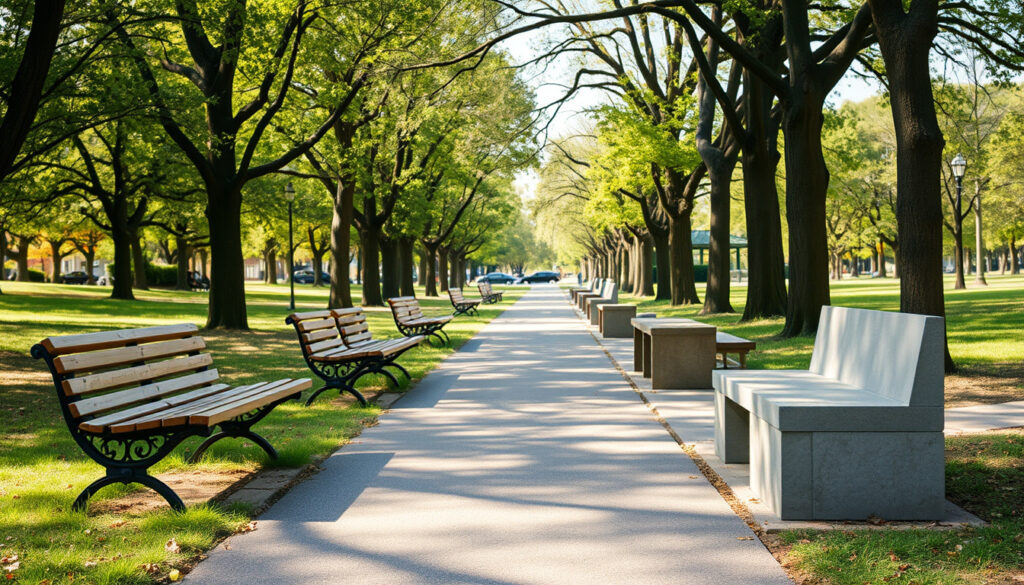
Seating Bench: Types, Definitions, and How to Choose Perfect
Few pieces of furniture feel as welcoming as a simple bench — it invites you to sit, put down a bag, or share a meal with others. Whether you’re outfitting a dining nook or tackling a weekend DIY project, understanding bench styles and trade-offs makes the difference between a piece that works and one that just sits there — this guide covers definitions, dimensions, and options so you can choose or build the right bench for your space.
Common seat height: 17–19 inches · Typical width per person: 18–24 inches · Estimated lifespan of a wooden bench: 10–20 years with care · Number of top-selling bench styles: 3 (backless, low-back, high-back)
Quick snapshot
- Benches have been used since ancient Egypt (Wikipedia)
- Standard seat height is about 18 inches (Better Kitchens)
- Storage benches can include drawers or lift-up seats (Anika’s DIY Life)
- The exact origin of the word “banquette” is debated (Wikipedia)
- No formal catalog exists for all bench styles worldwide (The Home Depot)
- The exact timeline of the settle’s origin is not well-documented (Wikipedia)
- Ancient Egyptian benches date back over 4,000 years (Wikipedia)
- Banquette seating became popular in 19th-century France (Wikipedia)
- Demand for multi-functional storage benches is rising (Aosom)
- DIY bench plans continue to grow in popularity (Anika’s DIY Life)
Four categories of bench seating cover the majority of home uses, each with its own trade-off between comfort, storage, and durability.
| Label | Value |
|---|---|
| Material | Wood, metal, upholstered, plastic (Better Kitchens) |
| Seating capacity | 2–4 persons typically (Wikipedia) |
| Common use | Dining, entryway, living room, garden (Aosom) |
| Price range | $50–$500+ depending on material and brand (The Home Depot) |
What is bench seating?
Bench seating is a long, continuous seat designed for multiple people, commonly found in dining rooms, parks, and public spaces. Unlike individual chairs, a bench encourages a communal feel — sharing the same surface often makes conversations flow more naturally. Banquette seating, a popular subset of bench seating, is typically built-in with a high back and is widely used in restaurants and kitchens (Aosom).
What is the difference between bench seating and regular chairs?
- Chairs offer individual support and adjustability; benches provide a fixed, shared surface.
- Bench seating can be backless or have a backrest, while chairs almost always have a back (Better Kitchens).
- Benches typically seat 2–4 people in the footprint of two chairs, saving space.
Common uses of bench seating
- Dining rooms — backless benches on one side of a table for casual meals.
- Kitchen islands — where a bench tucked under the overhang can serve as extra breakfast seating.
- Entryways and mudrooms — often combined with storage for shoes and bags (Anika’s DIY Life).
The implication: Whether backless or high-back, bench seating forces you to think about the social dynamics of a room.
What is a sitting bench?
The term “sitting bench” is a colloquial synonym for bench, used informally in everyday language. While “bench” is the standard furniture term, people often say “sitting bench” when describing a casual, often smaller bench meant for occasional use — think garden paths, mudrooms, or a spot to put on shoes (Anika’s DIY Life describes such uses in its DIY projects).
Is a sitting bench the same as a bench?
Yes — functionally identical. The phrase “sitting bench” simply emphasizes the act of sitting, distinguishing it from storage benches or decorative benches that may not be primarily used for seating. In practice, any bench that you sit on qualifies as a sitting bench.
Where are sitting benches typically used?
- Gardens and patios — often made of weather-resistant materials.
- Mudrooms — low-height benches for easy shoe removal.
- Casual dining areas — where a simple wooden bench replaces two chairs.
The pattern: The name matters less than the location — a sitting bench works wherever you need a quick perch.
What is another name for bench seating?
Bench seating has several regional and historical names that reflect its varied roles. Three key variants stand out: banquette, pew, and settle.
What is a banquette?
A banquette is a built-in or freestanding bench with a high back, often upholstered. It originated in France and became popular in 19th-century restaurant seating (Wikipedia). Today it’s a staple in kitchen nooks and casual dining spots because of the comfort and space efficiency it offers.
What is a pew?
Pews are long wooden benches with high backs, traditionally arranged in rows in churches. The design dates back centuries and is still used in many religious settings (Wikipedia).
What is a settle?
A settle is a wooden bench with a high back and often a storage compartment underneath. This design originated in medieval Europe and was a common household seat before the widespread use of chairs (Wikipedia).
What this means: The variant you choose dictates the room’s character — a settle feels historic, a banquette feels cozy.
How to make a simple sitting bench?
Building a basic bench is one of the most satisfying weekend projects you can tackle. The materials are minimal, the tools are basic, and the result is a piece you’ll use every day.
What materials are needed to build a sitting bench?
- Lumber: pine for a lightweight and budget-friendly bench, or cedar for outdoor use (Better Kitchens recommends 2×4 boards).
- Hardware: screws, wood glue, and possibly brackets.
- Tools: saw, drill, level, measuring tape, sandpaper, safety glasses.
- Optional: paint or stain, and cushions (Anika’s DIY Life includes upholstered options).
Step-by-step assembly instructions
- Cut the lumber to your desired seat length and leg height. A standard seat height is 18 inches (Better Kitchens).
- Assemble the legs using two vertical pieces attached to a horizontal brace.
- Attach the seat board(s) to the leg assembly. If using dry lumber, leave a 1/4-inch gap between boards for drainage; if using wet pressure-treated lumber, no gap needed (The Home Depot).
- Add a backrest (optional) by attaching a vertical board to the back of the seat and a horizontal top rail.
- Sand all edges smooth to prevent splinters.
- Apply finish — paint or stain, especially for outdoor use.
- Test for stability: sit on the bench and ensure it doesn’t wobble. Adjust if needed.
For more home improvement projects, check out our Raised Garden Beds Guide.
The catch: Builders must decide between cost and longevity — pine is easier on the wallet, cedar stands up to weather.
What is a seating bench with storage?
A storage bench combines sitting space with hidden compartments — a hinged seat lifts to reveal storage inside, or pull-out drawers fit underneath. These benches are ideal for areas where you need to stow away clutter without sacrificing seating (Anika’s DIY Life discusses entryway benches with shoe storage).
Benefits of storage benches
- Maximize floor space: one piece of furniture does double duty.
- Ideal for small entryways, mudrooms, and even kitchen islands.
- Keep essentials organized and out of sight.
Common designs and placements
- Entryway benches with shoe storage and hooks above (Aosom offers seasonal designs).
- Ottoman benches that function as footrests, coffee tables, or extra seating.
- Window seat benches with built-in drawers underneath.
- Kitchen banquettes with storage under the seat, accessible via lift-up lids.
If you’re looking for kitchen upgrades, our comparison of Instant Hot Water Dispenser vs Kettle might interest you.
Confirmed facts
- Benches have been used as seating for thousands of years, with examples from ancient Egypt (Wikipedia).
- Standard bench height is approximately 18 inches from floor to seat (Better Kitchens).
- Banquette seating originated in France and became popular in the 19th century (Wikipedia).
What’s unclear
- The exact etymology of “banquette” is debated — some sources link it to “bench” in French, but others suggest different origins (Wikipedia).
- The number of distinct bench styles worldwide is not formally cataloged (The Home Depot).
Quotes from the experts
“A DIY bench can be a simple beginner project using just a few boards and basic tools.”
— Anika, DIY blogger at Anika’s DIY Life
“This outdoor bench project is an entry-level woodworking project that can be completed in a few hours.”
— The Home Depot, outdoor bench project guide
The takeaway from both builders: don’t overcomplicate a bench. A solid seat, sturdy legs, and proper finishing are all it takes to create something that lasts.
slonebrothers.com, gadgetsandgrain.com, youtube.com, learn.kregtool.com
Frequently asked questions
Is bench seating comfortable?
Comfort depends on the bench height, seat depth, and whether a backrest is included. A standard seat height of 18 inches with a depth of 16–20 inches works for most adults (Better Kitchens). Adding cushions or an upholstered seat greatly improves comfort.
Can bench seating be used in living rooms?
Yes, especially as a window seat or a low bench replacing a coffee table footrest. Many living rooms use an upholstered bench as a versatile accent piece (Aosom).
What is the best material for outdoor bench seating?
Teak, cedar, and teak are top choices for weather resistance. Pressure-treated pine is an affordable alternative but requires regular sealing (The Home Depot).
How much does a bench seating cost?
Price ranges from $50 for a basic DIY bench to $500+ for a solid wood or upholstered designer bench. Storage benches typically fall in the $150–$400 range (Anika’s DIY Life).
Are bench seats good for back support?
Backless benches offer no back support — they’re best for short-term dining or entryway use. Benches with a backrest or those built as banquettes provide good lumbar support when properly angled (Wikipedia).
What is the difference between a bench and a stool?
A stool is a single-person seat with no back or arms. A bench seats multiple people and can include a backrest. Both can be backless, but a bench is longer and intended for shared use (Aosom).
How do you clean a wooden bench?
Dust regularly with a dry cloth. For deeper cleaning, use a mild soap and water solution; avoid soaking the wood. Reapply finish or sealant every 1–2 years for outdoor benches (The Home Depot).
For homeowners looking to maximize space without sacrificing style, the choice is clear: a storage bench or banquette offers practicality that a regular chair simply cannot match. For DIY builders, the satisfaction of a weekend project that seats the whole family is hard to beat.
More related posts
 Arsenal vs Chelsea Lineups 2026: Goals, TV Channel & Stream
 Todd Woodbridge: Career, Personal Life & Woodforde Fallout
 Werribee Medical and Dental – Location Services and Booking Guide
 Will.i.am: ADHD, Encephalitis, Family, Net Worth & Projects
 Gabby’s Dollhouse Toys: Age Guide, Worth & Best Sets
 Best Movies 2024: Top 10 Ranked by Critics, IMDb & Box Office
 Amy Jackson: Biography, Children, Languages, Husband
 Chuck Norris Dies at 86: What Happened to the Legend
